

36
University
Study in Japan - Universities, Courses & Scholarships
Why Choose Japan for Higher Education?
Japan’s aging population has prompted its government to attract international talent, with education as a key driver. Today, more than 90 Japanese universities offer English-taught programs, making higher education accessible to students worldwide, even for those not fluent in Japanese. For many, studying in Japan as an international student combines quality education with cultural discovery.
Innovation, Safety & Global Appeal
Globally recognised for research excellence, safety, and innovation, Japan stands out as a leader in robotics, automation, and artificial intelligence (AI). Students not only gain exposure to cutting-edge technology but also live in one of the world’s safest and most advanced countries. This makes Japan one of the most affordable study abroad destinationsoffering high value for money.
Diverse & Flexible Academic Programs
Opportunities extend across both undergraduate and postgraduate levels, with programs covering: - STEM (Science, Technology, Engineering, Mathematics) - Design & Creative Arts - Policy, Governance & Public Administration - Humanities & Social Sciences
With more than 90 universities offering English courses for international students, Japan ensures language is not a barrier. These Japan universities with English courses are steadily becoming popular choices for global learners.
Career & Internship Pathways
Japan provides strong career and internship opportunities for international students. From working part-time during your studies to accessing internships at multinational companies, you can gain valuable global experience. Many students also find work opportunities after studying in Japan, with clear career pathways in industries like technology, design, and business.
Affordable, Quality Education
Compared to traditional English-speaking destinations, tuition fees in Japan are relatively affordable. Combined with a wide range of Japanese scholarships for international students, higher education in Japan is accessible to more students. This combination of affordability, quality, and strong support systems makes Japan one of the top study abroad consulting destinations from India to Japan.
Visa Support & Student Journey
The Japan student visa process is streamlined, making it easier for international students to begin their education. With professional guidance and proper documentation, students can smoothly transition into their academic journey in Japan.
Top Universities in Japan
There are many top Japanese universities for international students, offering globally recognised degrees and practical exposure. These universities provide both excellent education and career support, making them attractive for students worldwide
Read More

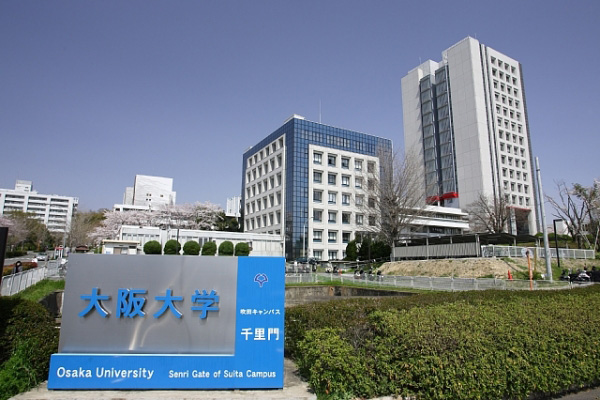

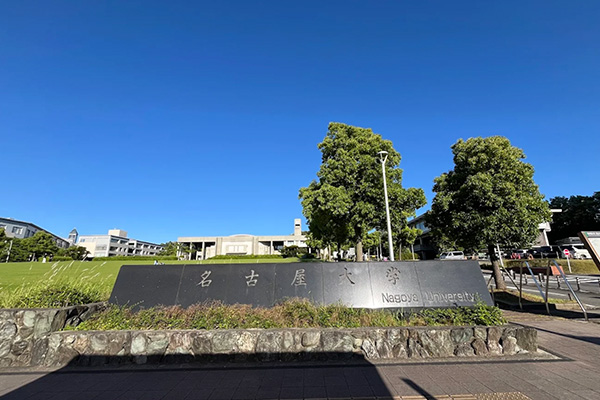



QS Rankings & Top Universities
QS World University Rankings – Japan Highlights
STEM Courses & Research Fields
In Japan, especially at top universities, a broad range of STEM (Science, Technology, Engineering, Mathematics) and related fields are offered, often with English-taught programs or bilingual options. Some common STEM and tech specializations include:
Many of these universities also host interdisciplinary programs combining engineering with humanities, or specialized tracks in robotics, smart systems, computational biology, etc.
Admission Requirements
The requirements differ depending on level (undergraduate / master / PhD) and whether the program is English or Japanese medium. Below is a detailed guideline.

Undergraduate (Bachelor’s) Program Requirements
- Completion of an equivalent of 12 years of formal schooling (or equivalent qualification)
- Academic transcripts from secondary/high school
- Diploma/certificate of graduation or expected graduation
- Entrance examination (often EJU) — for programs taught in Japanese, many universities require the Examination for Japanese University Admission for International Students (EJU).
- EJU includes subject tests: Japanese as a foreign language, science, mathematics, etc.
- Japanese language proficiency (if program is taught in Japanese) — JLPT (Japanese Language Proficiency Test) at N2 / N1 levels may be required
- English proficiency (for English-medium programs) — e.g. IELTS, TOEFL, PTE, or equivalent
- Letter(s) of recommendation
- Personal statement/statement of purpose
- Application fee and required forms
- Passport/identity documents
- Some programs may require entrance / subject tests particular to the discipline
(Note: Requirements may vary depending on the institution and program, so it’s important to check specific guidelines provided by the university or college you are applying to.)
Graduate (Master’s / PhD) Program Requirements
From Study in Japan’s official site:
- University (undergraduate) graduation diploma or certificate (or expected)
- Academic transcripts from the undergraduate degree
- Letter(s) of recommendation
- Research proposal/plan (especially for master’s / PhD)
- Thesis/graduation project (if applicable) & abstract
- Language proficiency (English and/or Japanese), depending on the program
- Some universities may require interviews, written exams, or departmental tests
- Additional documents (e.g., CV, academic awards, publications)


Scholarship / MEXT Eligibility
For the Japanese Government (MEXT) Scholarship (undergraduate) eligibility:
- You must be at least 17 and under 25 years of age
- Have completed 12 years of schooling or equivalent
For other categories (graduate, specialized training, Japanese studies), different age/qualification criteria apply per MEXT rules.
Timeline & Application Steps
1
Select your desired universities/programs
2
Verify application periods/deadlines(varies by institution)
3
Prepare required documents & translation if needed (English / Japanese)
4
Take required examinations (EJU / departmental tests/language exams)
5
Submit applications to each university
6
Wait for acceptance/offer letters
7
Once accepted, apply for Certificate of Eligibility (COE)
8
Use COE to apply for a student visa
9
Travel, complete arrival formalities, and register at your university/municipality
FAQS
Frequently asked questions
Do I always need to take the EJU exam?
Not always. If you apply to international or English-taught programs, some universities may waive EJU or accept equivalent standardized tests. But for many Japanese-taught undergraduate programs, EJU is required.
Can I study entirely in English?
Yes — many Japanese universities now offer full or partial English-taught undergraduate and graduate programs, especially in STEM and international tracks. But these programs are more competitive and limited in number.
What is the application fee?
It varies by university and program. Check the specific institution’s website. Some scholarships or special programs may waive this fee.
How many students receive MEXT scholarships?
The Japanese government offers a certain number of scholarships annually for international students. The number depends on budget, quotas per country, and applicant quality.
Can I work during my studies?
Yes — international students typically may work part-time after securing the proper permit (within limits specified by immigration authorities). Always check restrictions under your status of residence.
How long does visa processing take?
After you secure a Certificate of Eligibility (COE), the visa processing typically takes a few weeks, depending on your country’s Japanese embassy or consulate.
Are there bridging or foundation programs if I lack Japanese language skills?
Many students first enroll in a Japanese language institute or “language school” to reach N2 or N1 levels before entering full degree programs.
What are the living costs in Japan?
Costs vary by city (Tokyo is among the most expensive). Expect rent, utilities, food, transport, and health insurance. University dormitories and shared housing are common options.
Can I switch my status from student to work after graduation?
Yes — many international students change their status of residence (e.g., to a work or skilled professional visa) after securing employment post-graduation, subject to immigration regulations.